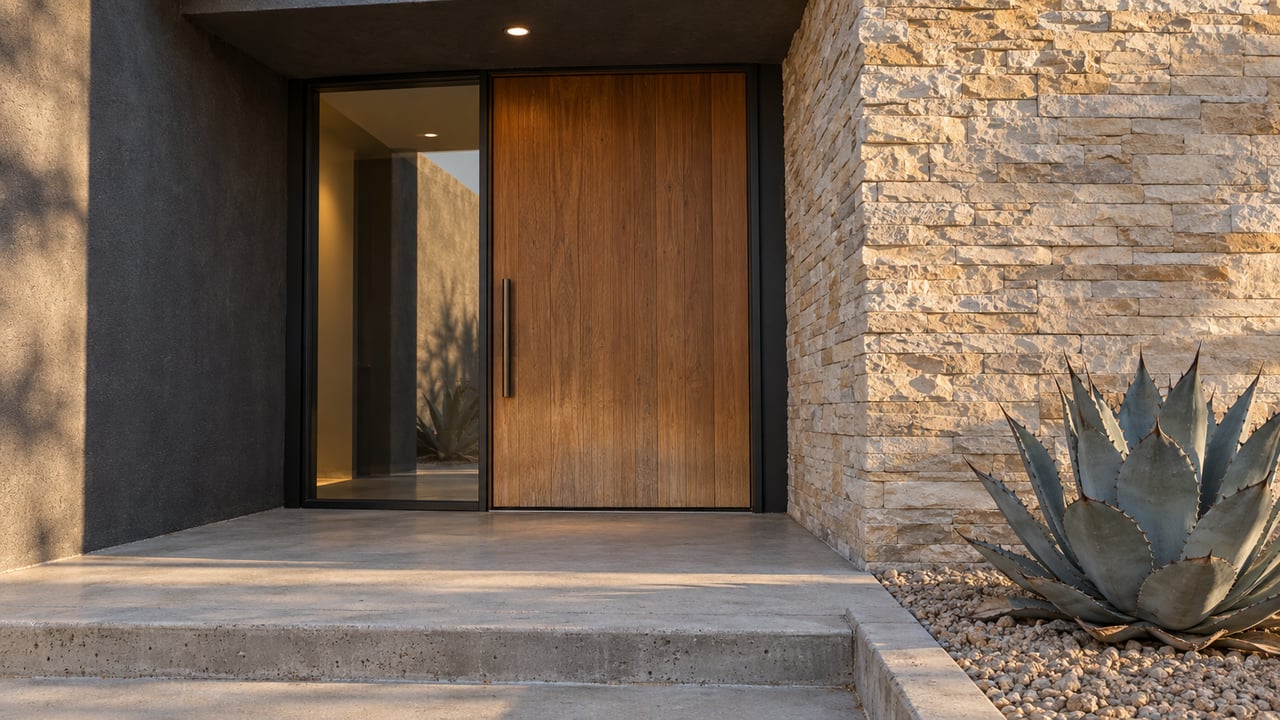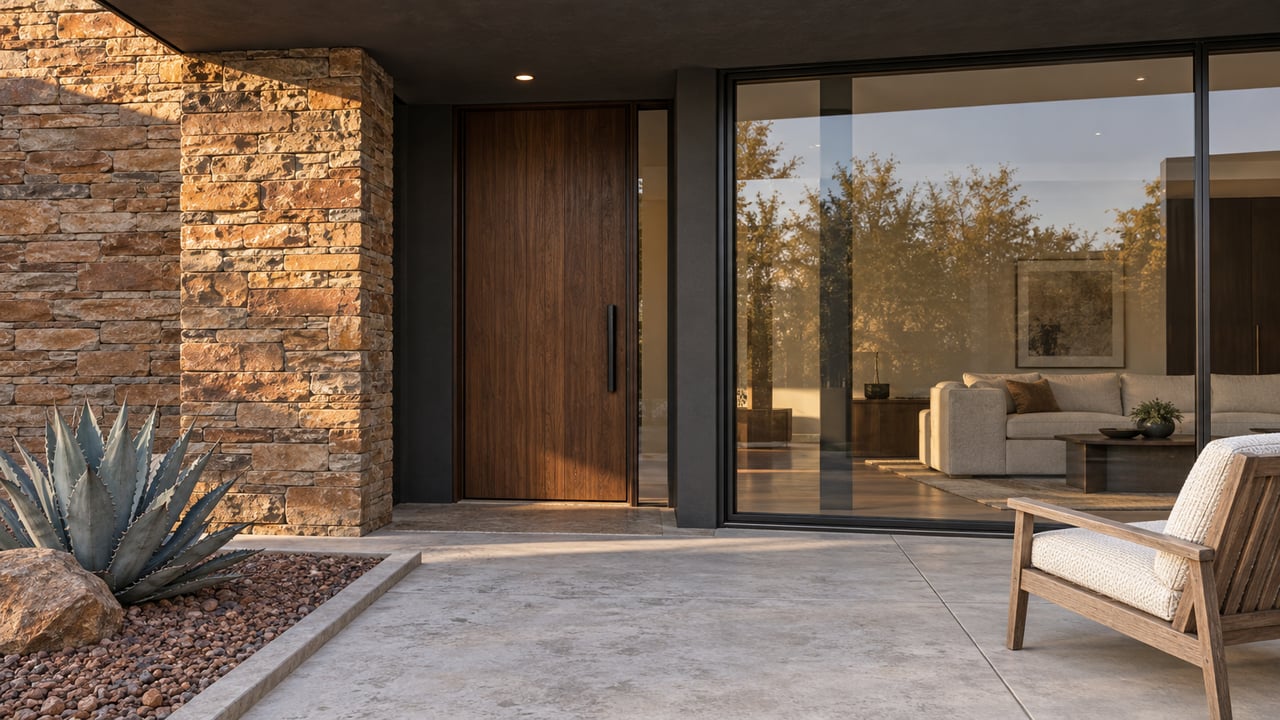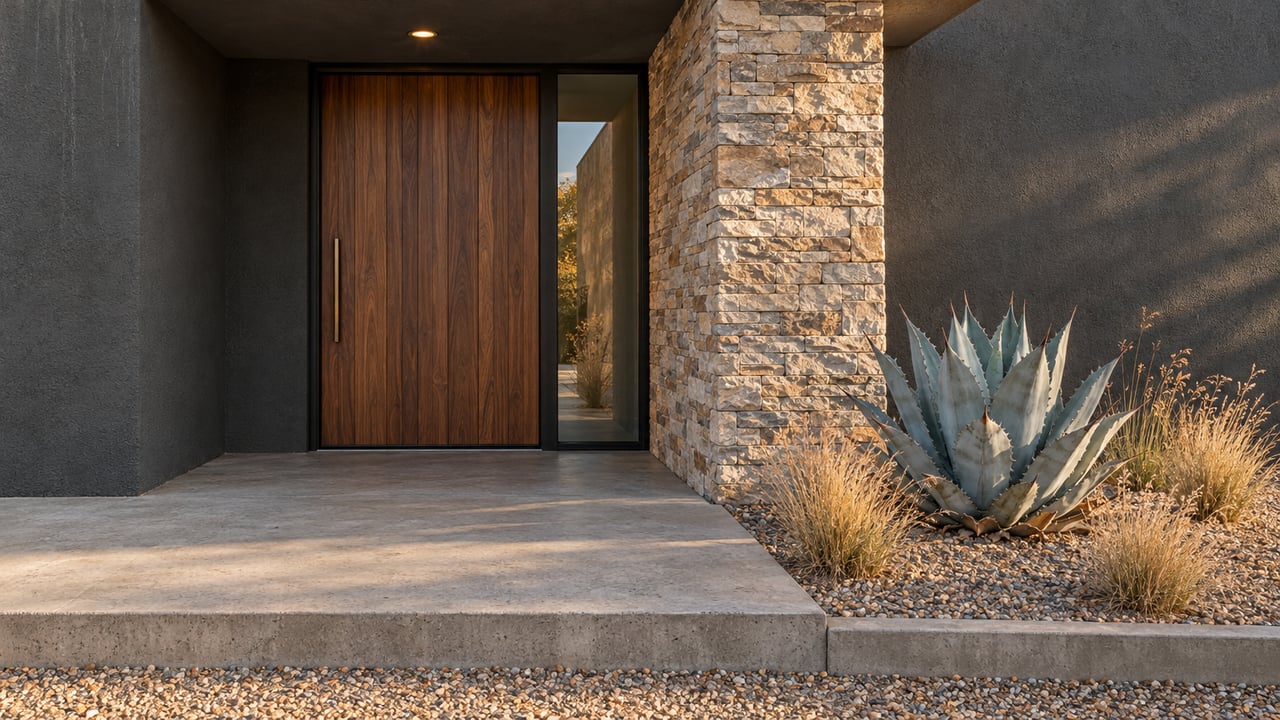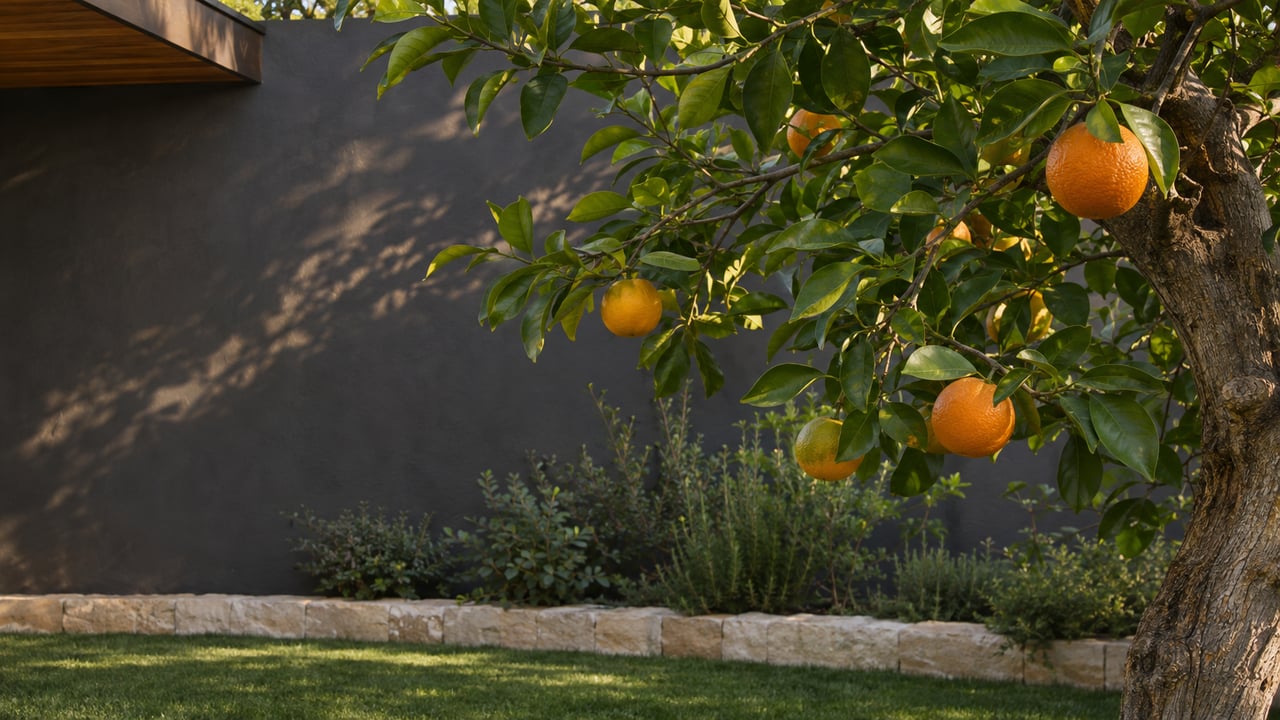
In the 1960s, an Arcadia man planted more grapefruit trees to help a young food bank. According to a PHOENIX magazine story on Valley citrus, he brought about 25,000 pounds of grapefruit to St. Mary's every year for more than 40 years. The same story described St. Mary's gleaning program at the time. For 11 weeks a year, hundreds of volunteers picked citrus, mainly across Sun City, Surprise and Arcadia. Homeowners kept a little of the fruit, and most of it went to the food bank.
That system no longer covers Arcadia. This season, Arcadia's citrus moves on the homeowner's schedule, not a crew's, and the fruit ripens two to three months before the neighborhood's own collection days. The gap falls in the months when roof rats are most active.
The lots were sold as orchards
Arcadia's citrus trees were part of the original plan. The Arcadia Camelback Mountain Neighborhood Association's history shows that the first tract in the area was called Citrus Homes. L.E. Froman recorded it in June 1915. It ran along the Arizona Canal between Camelback Road, Lafayette Boulevard and 56th Street. The original Arcadia plat followed in December 1919. West of 56th Street it was split into lots of about five acres, and east of 56th Street into lots of about ten acres. The neighborhood association's history says those large lots were "designed to be sold as small citrus orchards." Developers Seymour Jordan, Robert Grace and Charles Keafer said they hoped "the purchasers of this land will engage in the growing of citrus fruits."
Water came first. The land sloped, so only the lots south of Camelback Road could get water from the canal. In 1919, Jordan led the creation of the Arcadia Water Company, which built pumping plants in Paradise Valley that could supply 2,100 acres. By 1924, crews had laid 15 miles of underground concrete pipe through the development. Closer to the canal, Arcadia News has traced the Burgess Lateral. It took Arizona Canal water near 56th Street and Indian School Road to irrigate land north of the canal. The eucalyptus along Arcadia Drive were planted as windbreaks for the citrus groves.
One building from that water system is still a neighborhood gathering place. The Shemer Art Center and Museum at 5005 E. Camelback Road was built in 1919 as the home of the water company's foreman. It has a full calendar this season. Shemer Honors, an exhibition and reception followed by dinner and a program, is Friday, November 20, from 5:30 to 9 p.m. The Clay Soirée: Bells workshop is Thursday, December 3, from 5:30 to 8 p.m. A Holiday Painting Workshop for ages 8 to 11 is Saturday, December 5, from 10 a.m. to noon.
Where the crews go now
The 2027 season page for St. Mary's Food Bank citrus gleaning lists free volunteer gleaning for only four ZIP codes, all in the West Valley: 85351, 85373, 85374 and 85375. Online registration for those ZIP codes closes Monday, November 30, 2026. The West Valley picking season runs from January 11 through March 31, 2027.
Even in those four ZIP codes, St. Mary's makes no promises. The page says it expects "a very limited number of volunteers," says registration "does not guarantee that we will be able to glean your trees," and adds, "We recommend looking for alternative means to glean your trees in advance." The crews also skip trees taller than 25 feet and trees with power lines running through them.
St. Mary's is replacing the volunteer picking with staffed collection days. It says it is partnering with two churches to host Citrus Saturday drop-offs, with food bank staff and trucks on site. One is in Sun City West. The other is in Arcadia.
Ripe in November, collected in February
The University of Arizona Cooperative Extension says peel color can be misleading in Arizona. Its guide to oranges for southern Arizona recommends tasting a fruit from the tree instead, and says orange varieties are available from late October through late May. Here is how that lines up with the collection dates.
| When | What's happening | Where it applies |
|---|---|---|
| Late October to early November | 'Fukumoto' navels can be ready before the peel turns fully orange | Early navel trees |
| Early November through February | Common sweet oranges mature, and 'Hamlin' holds into February | Most backyard oranges |
| Early December through March | 'Washington' navels are ready to pick | The classic navel |
| December, best March through May | 'Marsh' grapefruit can be picked, and the flavor improves as acidity drops | Grapefruit trees |
| Monday, November 30, 2026 | Free gleaning registration closes | West Valley ZIP codes only |
| January 11 to April 30, 2027 | Drop-offs open at the St. Mary's Phoenix warehouse, 8 a.m. to 4 p.m. | All ZIP codes |
| Saturdays, February 6, 13 and 20, 2027 | Citrus Saturday drop-offs, 9 a.m. to 3 p.m. | Shepherd of the Hills UCC, Arcadia |
The extension guide has a few more details for anyone tasting fruit this week. 'Marrs' oranges can be eaten in late October but are best after two to four more weeks on the tree. Lemons can be picked green and used before the rind turns yellow.
As of publication on Thursday, November 19, the neighborhood drop-off is 79 days away. Grapefruit gets better the longer it stays on the tree, so a grapefruit tree can usually wait for February with no trouble. Early navels and sweet oranges are a different story, because they will have been ripe for weeks before the first drop-off.
The other reason fruit shouldn't sit
Arcadia's roof rats are most active in the same months the citrus is ready. According to the neighborhood association's page on roof rats in Arcadia, the species was first identified in the area in 2002. It is most active from November through May, mostly at dawn and dusk. The association notes that the rats eat almost anything, "especially citrus fruit, of which we have an abundance in the Arcadia neighborhood." They forage within roughly 200 to 300 feet of the nest, so a rat living in one yard can feed in the yard next door.
The association's guidance starts at the tree. It says to pick citrus before it falls, because the fruit gives roof rats both food and water. It also recommends trimming branches back at least three feet from roofs, walls and fences, clearing dead palm fronds and dense cover, and sealing gaps in the house. It notes that the rats can get in through a hole the size of a nickel. Arcadia News has made the same point in its gleaning coverage, warning that overripe citrus attracts pests, especially roof rats.
Between November and February, then, the fruit is ripe, the rats are active, and the neighborhood collection hasn't started. In the years when crews picked Arcadia trees from January on, much of that waiting period was covered. This season the homeowner covers it, whether by picking and using the fruit, sharing it, or holding off on the tree until a drop-off day.
Three Saturdays on Lafayette
The neighborhood's collection point is Shepherd of the Hills UCC at 5524 E. Lafayette Blvd. That puts it on the street that formed the northern edge of the Citrus Homes tract in 1915 and the southern edge of the 1919 Arcadia plat. St. Mary's staff and trucks will be there on Saturdays, February 6, 13 and 20, 2027, from 9 a.m. to 3 p.m.
The food bank asks for these things:
- Clean fruit, with no leaves, stems, decay or other debris
- Fruit brought on the collection days, when staff and trucks are on site
- Questions sent to Timothy at (602) 343-5658 or [email protected]
If a tree is ready before February, the main St. Mary's warehouse at 2831 N. 31st Ave. accepts citrus from every ZIP code from January 11 through April 30, 2027, between 8 a.m. and 4 p.m. That makes January 11 the first date this season when Arcadia fruit can go to the food bank.
Neighbors trading fruit is the oldest arrangement of all. The PHOENIX magazine piece described bags of lemons, oranges and grapefruit handed across the block. As an example, it described a neighbor whose medication keeps him from eating his grapefruit trading with the lemon tree next door. In the same story, Jerry Brown, then the food bank's director of media relations, explained why citrus matters to St. Mary's:
"As a food bank, we would much rather be giving out oranges and grapefruit than cookies or potato chips."
For an Arcadia tree this season, that means tasting the oranges now, trading or using what ripens through the holidays, keeping fallen fruit off the ground, and taking the rest to Lafayette Boulevard on February 6, 13 or 20.
When you're ready to talk about what a mature citrus yard means for your own Arcadia property, The Tucson Agents would be glad to walk through it with you. Schedule a consultation with The Tucson Agents.