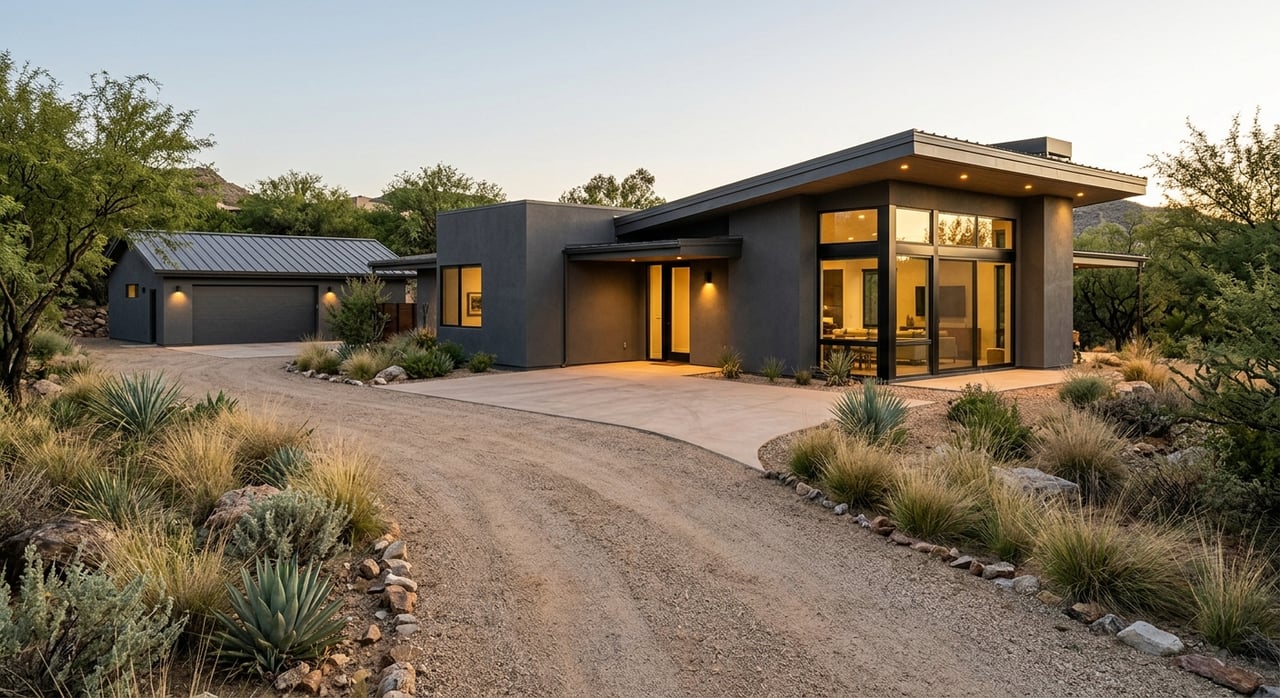
If you are dreaming about a home where horses, open land, and vineyard views all fit into the same picture, Sonoita stands out for a reason. Buying acreage here can be exciting, but it also comes with more moving parts than a typical in-town purchase. This guide will help you understand what makes Sonoita unique, what to look for in horse properties, and which due diligence steps matter most before you buy. Let’s dive in.
Why Sonoita draws acreage buyers
Sonoita offers a very different setting from many Southern Arizona housing markets. The area sits at about 5,000 feet in elevation and is known for rolling grasslands, oak woodlands, mountain views, and a strong rural identity tied to ranching and horses.
It is also part of the Sonoita AVA, Arizona’s first federally recognized wine region, established in 1984. Along with wineries, the area is known for fairgrounds activity, trail access, and nearby public lands like Las Cienegas National Conservation Area, which helps preserve the region’s open-space character.
For many buyers, that combination is the appeal. You can find privacy, room to spread out, and horse-friendly land while still being connected to the broader lifestyle that makes Sonoita feel distinct.
What horse and acreage properties look like
One of the first things to know is that Sonoita does not come with a one-size-fits-all acreage pattern. Current listings show everything from around 10 acres to 20, 35, 39, and even 220 acres, which suggests a mix of smaller ranchettes and much larger ranch parcels.
That range matters because the right property for you depends on how you plan to use it. If you want a few horses and manageable upkeep, a smaller parcel may fit. If you want more separation, room for riding infrastructure, or a larger operational setup, your search may look very different.
Many horse-oriented properties in the area include features like:
- Barns
- Tack rooms
- Feed rooms
- Corrals
- Arenas
- Round pens
- Pipe fencing
- Fenced pastures
- Private wells
- Septic systems
- RV hookups
- Shops
- Guest or studio spaces
Still, it is important not to assume a property is fully horse-ready just because it has acreage. Improvements, utilities, access, and zoning all need to line up with how you plan to use the land.
Start with zoning first
In Sonoita, zoning should be one of your first checkpoints. Santa Cruz County zoning rules affect what can be built and how a property can be used, so it is smart to verify zoning early before you get too far into the process.
Santa Cruz County includes rural districts such as GR and GR-40. GR requires a minimum lot area of 180,000 square feet, or about 4.1 acres, while GR-40 requires 36 acres.
Those details matter if you are comparing parcels with different long-term goals. A property that looks perfect on first glance may still have limits that affect future barns, corrals, stables, or other improvements.
The county code also states that barns, corrals, and stables must have a 75-foot setback from lot lines in these rural districts. On paper that may sound simple, but on an irregular parcel or one with easements, setbacks can affect where structures actually fit.
Another key point is that county zoning rules apply independently of private covenants or easements. In plain terms, private restrictions do not override county zoning, and any use not permitted, or not permitted with a conditional use permit, is prohibited under county code.
Personal horses and commercial use are different
Buyers sometimes assume that owning acreage means broad freedom of use. In reality, there is an important difference between keeping personal horses on your property and operating a commercial horse use.
Santa Cruz County distinguishes commercial stable activity as horses bred, hired, boarded, or shown on a commercial basis. If your plans go beyond personal enjoyment and into boarding, training, breeding, or another business use, you should confirm whether the current zoning allows that use or whether additional approvals may be needed.
If a future change is needed, county guidance says property-owner-initiated changes must remain consistent with the comprehensive plan and may require rezoning approval through the Planning and Zoning Commission and Board of Supervisors. That is why clear conversations about your intended use matter before you buy, not after.
Agricultural classification is about use
If you are looking at larger land holdings, you may also hear people talk about agricultural classification. In Santa Cruz County, agricultural status is based on use, not ownership.
The county assessor’s guidance states that land generally must be in active production for 7 of the prior 10 years. The county also separately recognizes equine land and improvements devoted to commercial breeding, raising, boarding, or training equine.
The county further distinguishes qualifying ranch property from non-qualifying rural property. For example, grazing land must have a minimum carrying capacity of 40 animal units to qualify as ranch property.
For you as a buyer, the takeaway is simple: hobby acreage, personal horse property, and commercial equine operations should not be treated the same. If tax classification is important to your plans, it is worth confirming how the property is currently classified and whether that classification actually matches your intended use.
Water is one of the biggest checks
In rural Sonoita, water deserves careful attention. The Arizona Department of Water Resources reports that groundwater is the main source of supply in the Cienega Creek Basin, which includes Sonoita and Patagonia, and its 2024 factsheet shows a basin-wide positive balance of +43 AF per year.
That is helpful regional context, but it does not tell you how a specific parcel will perform. A basin-wide number is not proof that a given well has the production, condition, or reliability you need.
This is where parcel-level review matters. ADWR’s Well Registry can help confirm reported well information, and buyers should verify well details early in the transaction when a property depends on a private well.
If you are considering a parcel without an adequate well, keep in mind that Arizona requires a Notice of Intent before drilling a new well or deepening or modifying an existing one, and the work must be completed by a licensed well driller. If a home relies on a private well, regular water testing is also recommended by the Arizona Department of Health Services.
Shared wells need extra review
A shared well can work just fine, but it requires closer reading than many buyers expect. ADWR explains that shared-well agreements are private contracts, not state-regulated operating arrangements.
That means you should confirm the recorded agreement and understand the details before closing. Pay close attention to maintenance responsibilities, cost-sharing, access rights, and what happens if repairs are needed.
If a property seems affordable because it shares infrastructure, make sure you fully understand the tradeoff. Clear paperwork and realistic expectations can prevent major headaches later.
Septic is part of the resale process
Most rural acreage buyers expect septic, but the inspection rules are still worth understanding. In Arizona, ADEQ says the resale inspection program applies to properties served by conventional septic tanks or alternative onsite systems.
For a transfer, the seller must have an inspection completed within six months before closing and provide the buyer with the Report of Inspection. Counties issue septic permits on behalf of the state, which is another reason local records matter during due diligence.
When you review a property, it helps to look beyond whether a septic system simply exists. You want to know its condition, whether records are available, and whether the system supports the way you plan to use the home and land.
Utility costs can change the math
Rural property can look like a great value until utility extension costs come into focus. Electrical service in the area is often available through Sulphur Springs Valley Electric Cooperative, whose territory includes Sonoita and Elgin.
Its line-extension guidance specifically notes service categories such as homes, barns, and wells. Cost estimates may include permitting, easement acquisition, materials, and trip charges, so undeveloped or partially improved parcels can carry meaningful setup costs.
If you are comparing multiple properties, utility readiness should be part of the comparison. A parcel with existing service may offer a very different total cost than one that needs significant extension work.
Before any fencing or trenching work, utility locates through 811 are also standard. That may seem like a small detail now, but it becomes important quickly once you begin planning improvements.
Access matters more than buyers expect
Access is one of the easiest things to overlook when acreage shopping online. A property can appear ideal in photos while still raising practical questions about legal access, road maintenance, gates, and easements.
Santa Cruz County provides GIS parcel search and zoning map tools through its Community Development resources, and the county code defines both easements and non-access easements. For buyers, that means recorded access documents should be reviewed carefully.
If you plan to haul trailers, bring in equipment, or support horse use, access is not just a legal question. It is also a day-to-day usability question, including road condition, turning space, gate placement, and whether any easement limits normal vehicle movement.
A simple way to evaluate Sonoita acreage
When you tour horse and acreage properties in Sonoita, it helps to think in two layers. First, evaluate the lifestyle fit: views, privacy, terrain, improvements, and how the property feels in person.
Second, evaluate the practical fit: zoning, intended use, water, septic, utilities, and access. In many cases, that second layer is what determines whether a property is truly ready for your goals.
The simplest way to frame it is this: Sonoita acreage is a due-diligence story first and a lifestyle story second. Once the land, infrastructure, and use case check out, you can move forward with much more confidence.
If you are considering a purchase in Sonoita, working with a local team that understands rural property questions can make the process much smoother. When you are ready to talk through acreage, horse-property priorities, or the next steps in your search, schedule a consultation with The Tucson Agents.
FAQs
What makes Sonoita different from other Southern Arizona markets?
- Sonoita is a rural, high-elevation area known for open grasslands, mountain views, ranching culture, horse properties, and its identity as Arizona’s first federally recognized wine region.
What acreage sizes are common for horse properties in Sonoita?
- Current listings show a wide range, including parcels around 10, 20, 35, 39, and 220 acres, which suggests the market includes both smaller ranchettes and larger ranch properties.
What zoning should you check before buying acreage in Sonoita?
- You should confirm the parcel’s Santa Cruz County zoning, minimum lot size requirements, allowed uses, and setback rules for structures like barns, corrals, and stables.
What is the minimum lot size in Santa Cruz County GR zoning?
- In Santa Cruz County, GR zoning requires a minimum lot area of 180,000 square feet, which is about 4.1 acres.
Can you run a commercial horse operation on a Sonoita property?
- Not automatically. Santa Cruz County treats commercial horse uses differently from personal horse ownership, so you should verify whether the zoning allows your intended use or requires additional approvals.
How do wells affect buying a horse property in Sonoita?
- Because many rural properties rely on private wells, you should verify parcel-level well information, understand whether the property uses a private or shared well, and review any available records early in due diligence.
What should you know about shared wells in Sonoita?
- Shared-well agreements are private contracts, so you should review the recorded agreement and confirm maintenance, cost-sharing, and access terms before closing.
Does Arizona require septic inspections when buying rural property?
- Yes. ADEQ says the seller must complete a septic inspection within six months before transfer for properties served by conventional septic tanks or alternative onsite systems and provide the buyer with the Report of Inspection.
Why do utility-extension costs matter for Sonoita acreage?
- On rural parcels, bringing power to a home site, barn, or well can add costs for permitting, easements, materials, and related work, so utility readiness can affect the true cost of ownership.
What access issues should you verify on a Sonoita acreage property?
- You should confirm legal access, recorded easements, road maintenance responsibility, gate access, and whether driveways or utility easements could limit normal vehicle or trailer movement.