Wondering if Green Valley is the right place to buy a winter home you can lock up and leave behind each summer? You are not alone. Many seasonal buyers love the idea of warm winters, easy living, and built-in activities, but the details matter a lot here. In Green Valley, the right fit often comes down to the specific HOA, the maintenance responsibilities, and how close you are to the recreation you plan to use. Let’s dive in.
Why Green Valley attracts winter buyers
Green Valley has long appealed to seasonal residents who want a milder winter base in Southern Arizona. Local sources describe it as about 30 miles from downtown Tucson and roughly 20 miles from Tucson International Airport, which makes travel relatively simple for part-time owners.
The area also sits at about 3,000 feet. That higher elevation helps support milder winter conditions than hotter desert markets like Phoenix or Palm Springs, which is one reason many buyers consider Green Valley for a seasonal home.
Green Valley is not one-size-fits-all
One of the most important things to understand is that Green Valley is not a single, uniform retirement community. It is a collection of smaller HOA communities, and your ownership experience can vary quite a bit depending on where you buy.
That matters because neighborhood rules are not all the same. Some communities may have age-55 occupancy requirements, while others do not. GVR membership is also tied to the property and passes to future owners, but Green Valley Recreation states that membership itself is not age restricted.
If you are comparing Green Valley to a more standardized active-adult development, this is a key difference. In Green Valley, you need to evaluate the neighborhood first, not just the town name.
What “lock-and-leave” really means here
A true lock-and-leave property is not simply a home with an HOA. In Green Valley, the best version of lock-and-leave living usually means the HOA handles the exterior tasks most likely to create problems while you are away.
For example, Las Campanas Village includes exterior painting, roofing, irrigation, landscaping, waste and recycling service, street maintenance, and common-area maintenance in its monthly fees. That kind of setup gets much closer to hands-off seasonal ownership.
But not every HOA works that way. Green Valley Council notes that some communities still require owners to handle their own landscaping, and many architectural committees regulate exterior paint colors, improvements, and storage for things like RVs or boats.
The lesson is simple: an HOA does not automatically mean low maintenance. You need to read the CC&Rs and disclosure package carefully to understand exactly what the association covers and what still falls on you.
Features to prioritize in a winter home
When you are shopping for a winter home in Green Valley, a few features tend to make seasonal ownership easier and less stressful.
Look for homes with:
- Single-level living
- An attached garage
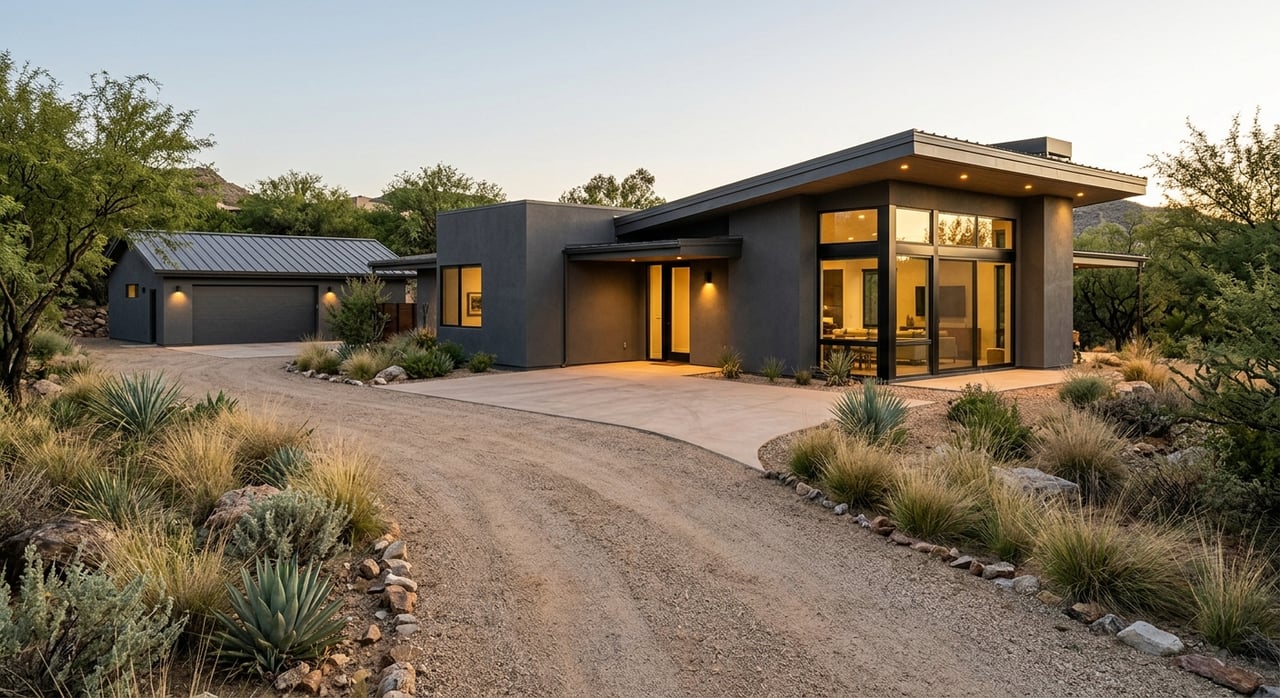
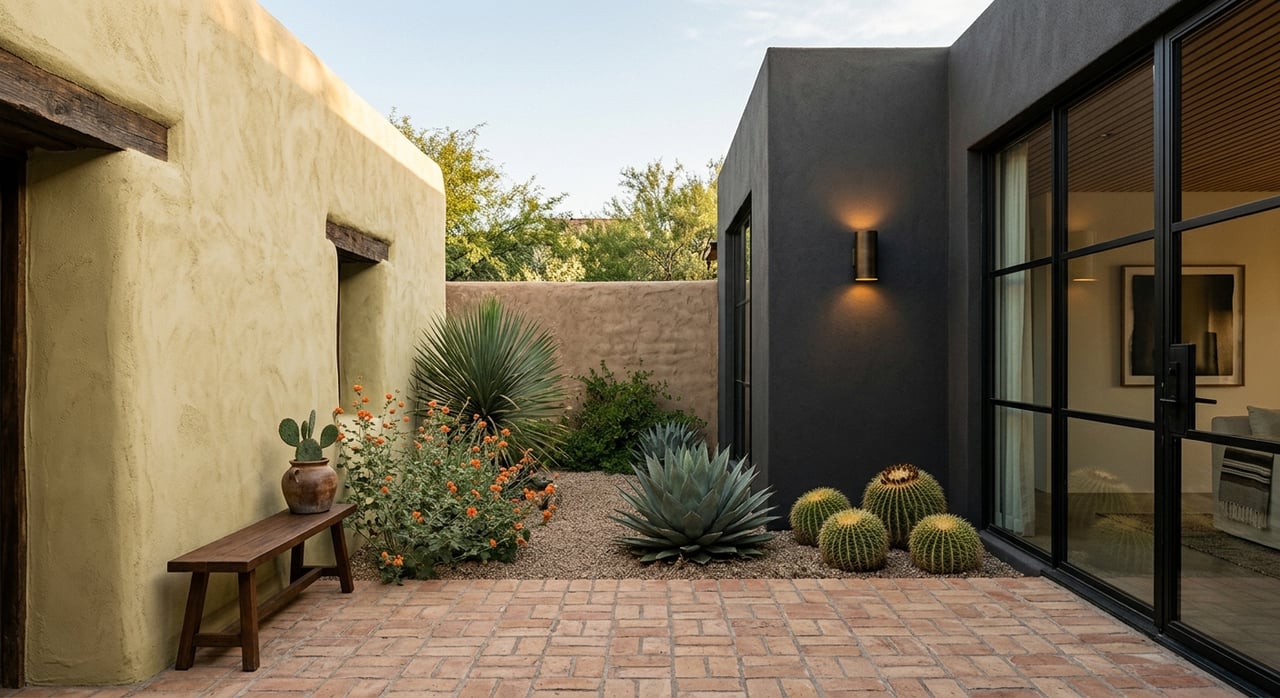
- A small courtyard or modest yard
- HOA-covered roof or exterior maintenance
- HOA-managed landscaping or irrigation
- Easy access to a GVR center or pool
- Clear rules for pets, rentals, RVs, and exterior changes
These features line up well with how many Green Valley communities are structured. They can also make day-to-day life simpler when you arrive for the season and easier when you leave.
Best home types for part-time living
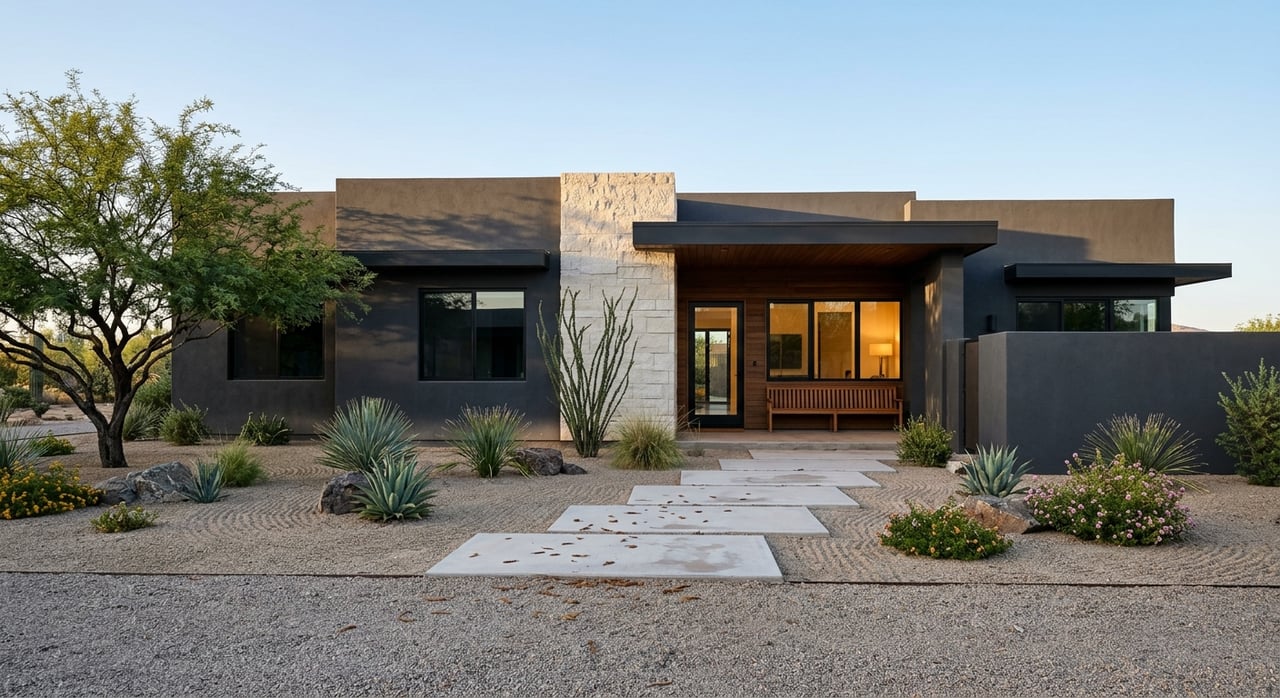
Green Valley offers a wide range of housing options, from one-bedroom villas to larger detached homes. For many winter buyers, the best fit is often a home that keeps upkeep low without giving up comfort.
In practice, that usually points buyers toward:
- Villas
- Townhomes
- Patio homes
- Duplexes
- Compact detached homes with modest outdoor space
Single-story layouts are especially appealing because they are easy to live in and easy to maintain. Communities with attached and detached formats can both work well, as long as the HOA responsibilities match your lock-and-leave goals.
Why GVR matters for seasonal owners
For many buyers, Green Valley Recreation is a major part of the appeal. GVR reports that it operates 15 recreation centers, 13 pools and spas, 6 fitness centers, and nearly 60 clubs, serving more than 23,000 members.
That scale is helpful if you live here only part of the year. Instead of depending only on a neighborhood clubhouse, you can step back into an established network of activities each season, including classes, swimming, pickleball, hiking, and social events.
Another benefit is that amenities are spread throughout the community. Major centers include places like Canoa Hills, Canoa Ranch, Desert Hills, East Center, Las Campanas, Santa Rita Springs, and West Center, plus smaller satellite centers.
This distributed layout is great for choice, but it also means convenience can be very neighborhood-specific. A home that looks ideal on paper may feel less practical if your favorite pool, fitness center, or court is across town.
Pick the neighborhood with your routine in mind
If you plan to swim most mornings, play pickleball several times a week, or take classes during the season, proximity matters. GVR’s East Center, for example, includes a pool and spa, a fitness center, tennis courts, and seven pickleball courts.
GVR also reports that its pickleball club serves more than 1,000 members across 36 courts. For active seasonal residents, that kind of access can shape where you want to buy.
Before choosing a home, think through your actual weekly routine. The best winter property is not just easy to leave. It is also easy to enjoy while you are here.
Check age restrictions before you buy
Many buyers assume Green Valley automatically means age-restricted living, but that is not always true. Green Valley Council’s HOA guidance shows that some neighborhoods have age-55 occupancy requirements, while others do not.
That is why it is important to confirm the rules for the exact community you are considering. If age restrictions matter to you, either personally or for future use by family members or guests, make that part of your review early in the process.
Review rental and use rules carefully
Seasonal buyers often ask whether they can rent out the property part of the year. The answer depends on the specific community rules.
Green Valley Council notes that HOA restrictions can vary widely, and communities may have different standards around rentals, pets, exterior modifications, and vehicle storage. If flexibility is important, review those rules before you commit.
This is especially important if you are thinking about using the home in more than one way over time. A property that works for your needs today may be less flexible later if the HOA rules are more restrictive than you expected.
Plan for monsoon season before you leave
A winter home in Green Valley also needs a summer plan. Green Valley Council defines monsoon season as June 15 through September 30, and its preparedness materials highlight the importance of being ready for storms.
For a seasonal owner, that means asking practical questions before you buy:
- Who checks the property while you are away?
- Who manages irrigation?
- Is debris removal the owner’s job or the HOA’s?
- Who handles drainage issues?
- Is roof responsibility on the HOA or the owner?
- What happens if storm damage occurs while the home is vacant?
These questions are easy to overlook in winter. But they are critical if you want a home that truly feels easy to leave.
Understand the HOA disclosure package
Before closing on a resale home in a planned community, Arizona law requires sellers and associations in many cases to provide a disclosure package. That package can include governing documents and a dated statement covering items such as dues, reserves, and insurance coverage.
For you as a buyer, this is one of the most valuable parts of due diligence. It helps you verify what the HOA actually covers and gives you a clearer picture of the community’s financial and operational structure.
In Green Valley, this review is especially important because each HOA can be so different. A careful document review can help you avoid surprises after closing.
A smart Green Valley buying strategy
If you are searching for a lock-and-leave winter home in Green Valley, keep your process focused on the details that affect everyday ownership. A beautiful home is only part of the equation.
A strong buying strategy usually includes these steps:
- Narrow your preferred home type, such as a villa, patio home, duplex, or compact detached home.
- Identify which GVR amenities you expect to use most often.
- Compare neighborhoods based on distance to those amenities.
- Confirm whether the community has any age-55 occupancy requirements.
- Review CC&Rs for maintenance duties, rental rules, and exterior restrictions.
- Verify whether roof, paint, landscaping, and irrigation are covered.
- Build a monsoon-season plan before your first summer away.
This approach helps you buy for real life, not just for curb appeal.
The bottom line on buying in Green Valley
Green Valley can be an excellent place to own a winter home, especially if you want milder weather, broad recreation access, and a range of home styles. But the best lock-and-leave choice is rarely about the town as a whole. It is about matching the right property to the right HOA and the right seasonal lifestyle.
If you focus on maintenance coverage, neighborhood rules, amenity access, and summer-away planning, you can buy with much more confidence. That is where local guidance can make the process a lot smoother.
If you want help comparing Green Valley neighborhoods, reviewing HOA questions, or finding a winter home that truly fits your lock-and-leave goals, schedule a consultation with The Tucson Agents.
FAQs
What makes a Green Valley home truly lock-and-leave?
- In Green Valley, a true lock-and-leave home is one where the HOA handles major exterior responsibilities like roofing, exterior painting, irrigation, landscaping, and other maintenance that could become a problem while you are away.
Are all Green Valley neighborhoods age restricted?
- No. Some Green Valley communities have age-55 occupancy requirements, while others do not, so you need to verify the rules for the specific neighborhood you are considering.
Does GVR membership come with a Green Valley home?
- GVR states that membership is tied to the property and passes to future owners, and it is not age restricted.
What should I check about HOA maintenance in Green Valley?
- You should confirm whether the HOA covers roofs, exterior paint, landscaping, irrigation, waste service, street maintenance, and common areas, because coverage varies by community.
Can I rent out a winter home in Green Valley?
- Maybe. Rental rules depend on the HOA, so you should review the community’s governing documents to understand any rental limits or restrictions before you buy.
What monsoon questions matter for a Green Valley winter home?
- You should ask who checks the property during monsoon season, how irrigation is managed, who handles debris and drainage, whether the roof is an HOA responsibility, and what happens if storm damage occurs while the home is vacant.