Wondering whether Corona de Tucson feels like your kind of place? If you are trying to balance space, schools, commute, and everyday convenience, this southeast Tucson community can be a smart option for some buyers and a frustrating mismatch for others. The key is knowing what daily life actually looks like here before you fall in love with a listing. Let’s dive in.
What Corona de Tucson Feels Like
Corona de Tucson is best understood as a quieter, more spread-out part of the southeast Tucson area. Official descriptions from Pima County and the Corona de Tucson Fire District support the idea that this is a mix of suburban and rural character rather than a dense suburban hub. In practical terms, that means lower density, more driving, and a more residential pace.
If you want a neighborhood with mountain and desert surroundings, quieter streets, and a little more breathing room, Corona de Tucson may feel like a strong fit. If you picture daily life in a walkable retail district with quick access to central Tucson, it may not check your boxes. That contrast matters more here than in many other Tucson-area communities.
The community sits near Sahuarita and Houghton Roads, which helps explain why many buyers think of it as its own pocket in the southeast corridor. It does not tend to feel like an extension of central Tucson. For many buyers, that separation is either a feature or a deal breaker.
Who Corona de Tucson Fits Best
Corona de Tucson often works well for buyers who want a quieter setting without leaving the broader Tucson area behind. You may appreciate it if your priorities include space, a residential feel, and access to outdoor recreation. It can also appeal to buyers who are already comfortable with a car-oriented lifestyle.
You may want to take a closer look at Corona de Tucson if you are looking for:
- More room around you than you may find in denser parts of Tucson
- A quieter southeast location
- Access to schools within the Vail Unified School District boundaries
- Nearby desert and mountain recreation
- Newer homes in planned communities or older homes with more individuality
On the other hand, this area may be less ideal if you want:
- A short commute into central Tucson
- A walkable pattern for shopping and errands
- The same utility setup from one property to the next
- A more uniform neighborhood experience
Schools in Corona de Tucson
For many buyers, schools are one of the biggest reasons Corona de Tucson makes the shortlist. Vail Unified School District says its boundaries include southeastern Tucson, Corona de Tucson, and the Vail area. In Corona de Tucson itself, Sycamore Elementary and Corona Foothills Middle School are both located on South Houghton Road.
Those two campuses are often part of how buyers picture the area. Sycamore says it has served the community since 2003, and both schools present themselves as central schools for local families. That can make the area appealing if having nearby elementary and middle school options is important in your search.
There is one important detail to keep in mind for high school planning. Vail Unified does not use a simple one-high-school attendance model. The district says families choose among six high schools, including Mica Mountain High School, so you should verify the current choice process for any address you are considering.
School websites also share performance recognitions that may matter to buyers doing early research. Sycamore states that it is an A-rated school and has earned A+ School of Excellence awards. Corona Foothills Middle School says it is also an A+ School of Excellence and notes top state middle school performance recognition for the 2021-2022 and 2022-2023 school years.
Homes and Neighborhood Variety
One of the biggest surprises for buyers is that Corona de Tucson is not just one look or one kind of neighborhood. Practical market groupings often break the area into pockets such as Corona, Sycamore Canyon, Ocotillo Preserve, and Santa Rita Foothills. While those are not legal planning boundaries, they are useful because homes can live very differently from one pocket to another.
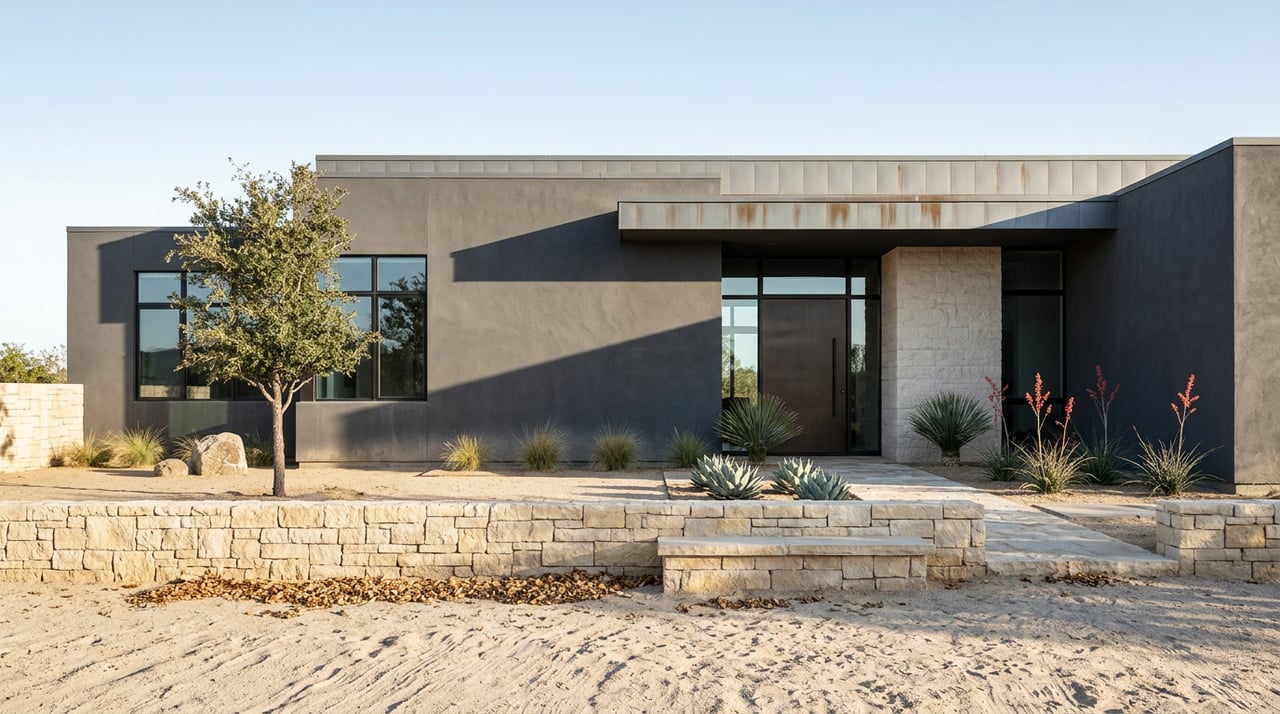
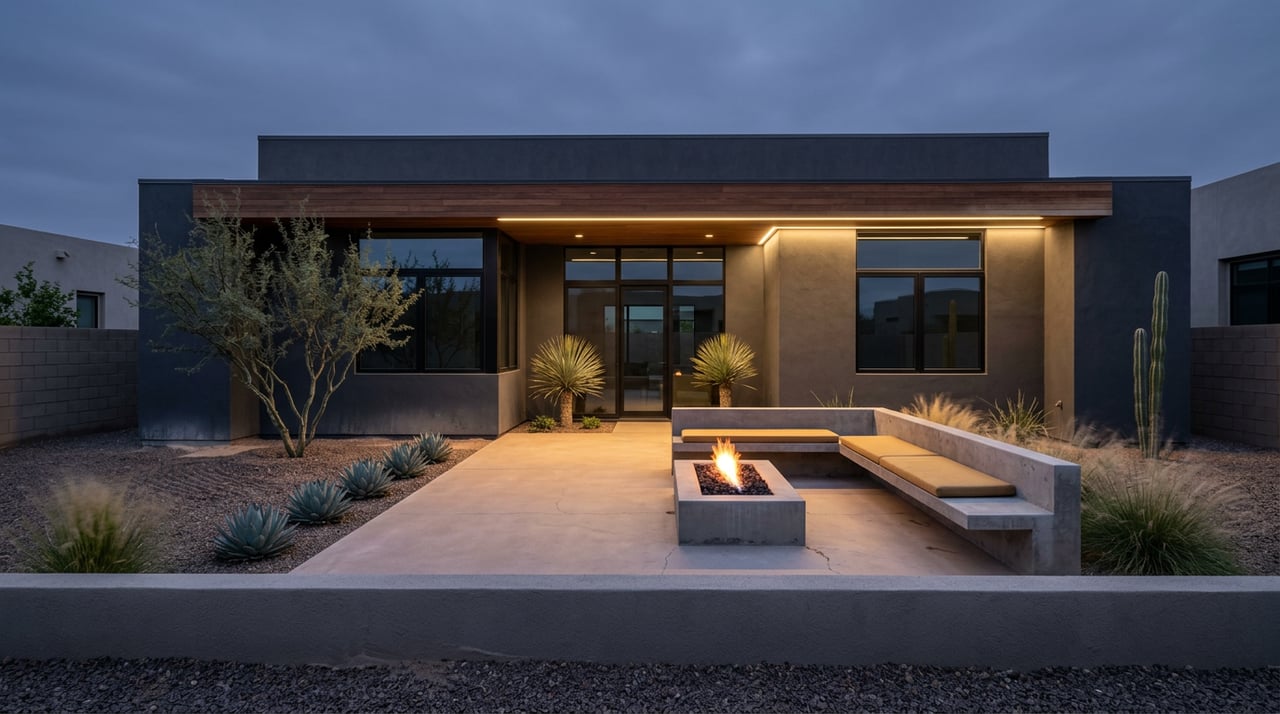
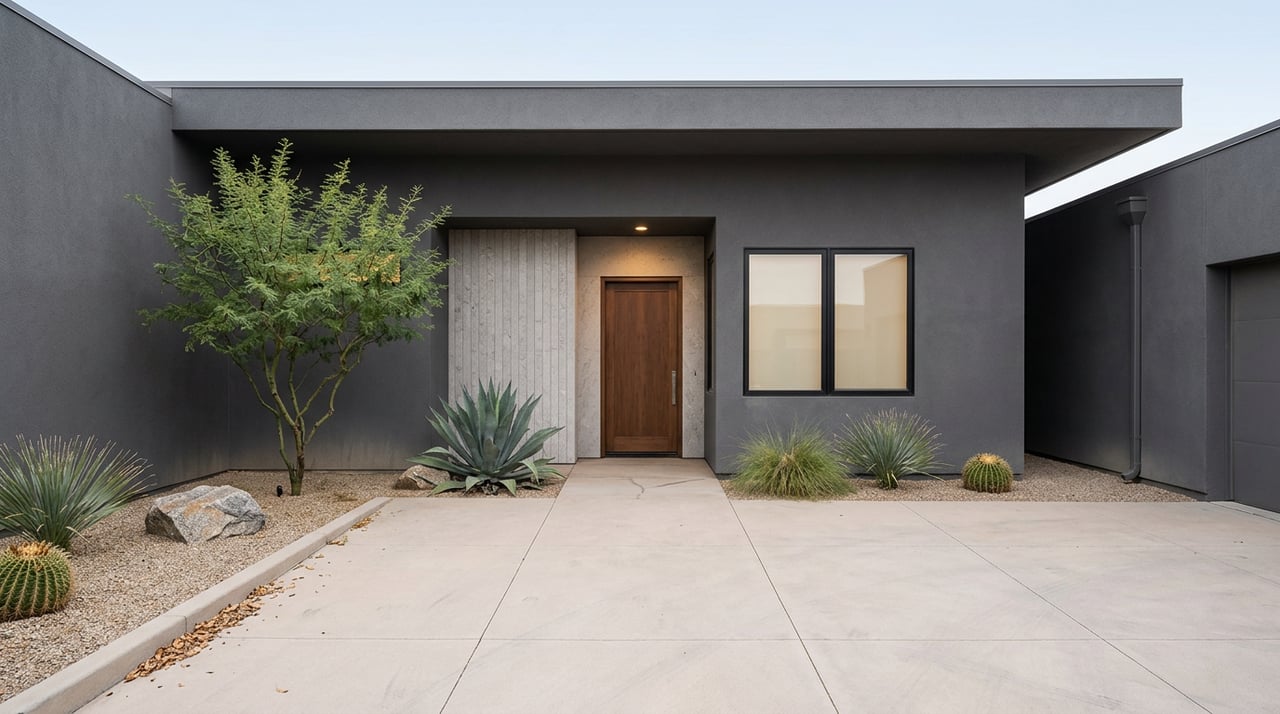
Some newer construction feels like modern southeast Tucson master-planned housing. In Sycamore Canyon, builder examples show single-family homes with open layouts, covered patios, tile roofs, tile flooring, smart thermostats, and community amenities such as a park, pool, trail, picnic area, basketball court, and playground. That type of home can be attractive if you want newer finishes and a more turnkey setup.
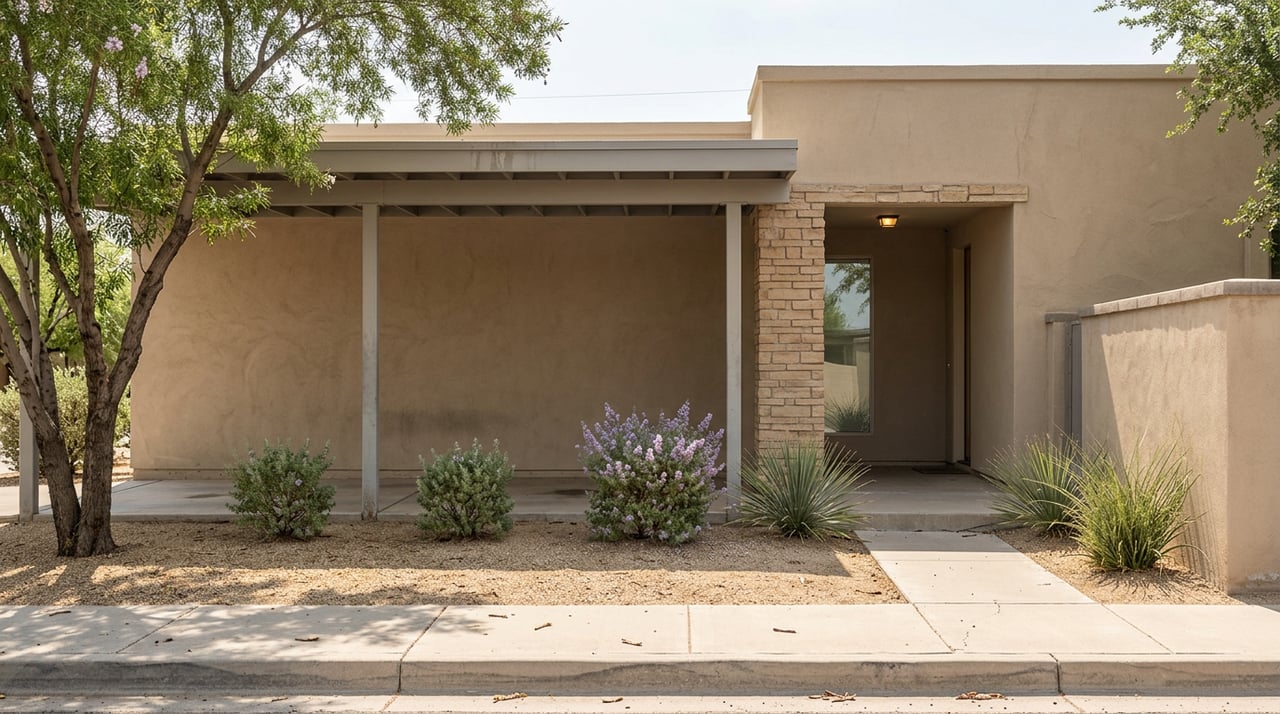
Older resale homes are also part of the mix. Current listing examples show homes built in the 1980s and 1990s, often on lots around 8,000 square feet, with some properties offering RV-friendly space or a more semi-rural feel. These homes may have more personality, but they can also come with more variation in condition, systems, and site features.
That is why broad assumptions can get you in trouble here. Two homes with the same Corona de Tucson address label may differ a lot in lot size, HOA rules, road access, and utility setup. Looking beyond square footage and price is especially important in this market.
Newer vs. Older Homes
If you are deciding between newer construction and resale in Corona de Tucson, it helps to think in terms of lifestyle as much as age. Newer homes often offer simpler maintenance, more standardized layouts, and neighborhood amenities. They may suit buyers who want a more predictable ownership experience.
Older homes can offer a less cookie-cutter feel and site features that are harder to find in newer subdivisions. You may find more flexibility for vehicles, outdoor storage, or a semi-rural layout. At the same time, older properties may call for more due diligence on systems, improvements, and access.
Here is a simple way to compare the two:
| Home Type | Potential Upside | What to Verify |
|---|---|---|
| Newer construction | Turnkey finishes, modern layouts, HOA amenities | HOA rules, fees, lot use limits |
| Older resale | More individuality, possible RV space, varied lot character | Age of systems, utility setup, road access |
Utilities and Property Setup Matter
This is one of the most important parts of buying in Corona de Tucson. Tucson Water’s 2024 consumer confidence report says the community water system serves more than 4,100 households and businesses and about 13,800 residents, with water supplied from four active wells. That confirms public water service is available in the area, but it does not mean every property works exactly like a home in a dense city neighborhood.
Wastewater is where buyers need to slow down and verify details. Pima County says septic systems are used when a home is not connected to a municipal sewer system, and the county regulates septic construction, transfer, and closure. Pima County also lists a Corona de Tucson Water Reclamation Facility among its sub-regional facilities, but you still should not assume a specific home is on sewer just because a local facility exists.
In practical terms, one property may have public water and septic, while another may have a different setup. Some current listing examples also show gravel-road access or dirt-road directions. Before you move forward on a home, make sure you confirm:
- Water provider
- Sewer or septic service
- Road surface and maintenance responsibility
- HOA obligations, if any
- Any site-specific access issues
If a property is on Tucson Water service, Tucson Water handles the water side and Pima County handles sewer and wastewater questions. That split can surprise buyers, but it is useful to know early in the process.
Commute and Daily Convenience
Corona de Tucson can work well if you already expect to drive for most things. Travel-time estimates place the drive from Corona de Tucson to Tucson at about 35 minutes under typical conditions and the drive to Vail at about 12 minutes. Tucson International Airport is estimated at about 20 miles from the center of Corona de Tucson.
Those estimates are best used as general guidance, not exact promises. Your actual drive will depend on where you work, when you travel, and which part of Corona de Tucson you choose. Still, the larger point is clear: this is not the best fit if a short inner-city commute is one of your top priorities.
For buyers who are already comfortable with a car-oriented routine, that tradeoff may be worth it. You may gain more space, quieter surroundings, and a different pace of life. It really comes down to how you want your average weekday to feel.
Outdoor Access Is a Real Advantage
If you love Southern Arizona scenery, Corona de Tucson has a lot going for it. Colossal Cave Mountain Park sits at the southeast end of the Rincon Valley and offers 2,400 acres of park land. The Arizona National Scenic Trail also crosses the park.
You are also within reach of Cienega Creek Natural Preserve, which Pima County describes as a riparian oasis about 25 miles southeast of downtown Tucson. Saguaro National Park’s Rincon Mountain District is east of Tucson as well. For buyers who want easier access to desert landscapes and outdoor time, this part of the region can be especially appealing.
So, Is Corona de Tucson Right for You?
Corona de Tucson may be the right fit if you want a quieter southeast Tucson location, a more spread-out setting, school access within Vail Unified boundaries, and strong proximity to outdoor recreation. It can be especially appealing if you are choosing between newer planned communities and older homes with more individuality. Buyers who value space and do not mind driving often see the area as a strong option.
It may be a tougher fit if you want a walkable lifestyle, a quick trip into central Tucson, or a highly uniform neighborhood experience. This is a place where property-level details matter. Water service, sewer versus septic, road conditions, and HOA rules can all shape how a home actually lives.
If you are weighing Corona de Tucson against Vail, Sahuarita, or other southeast Tucson options, the best move is to compare not just price, but day-to-day fit. If you want help narrowing down the right neighborhood and the right property, schedule a consultation with The Tucson Agents.
FAQs
Is Corona de Tucson a suburban or rural area?
- Corona de Tucson is best described as a semi-rural, lower-density area with a mix of suburban and rural character.
Are homes in Corona de Tucson part of Vail Unified School District?
- Yes. Vail Unified School District says its boundaries include Corona de Tucson, but you should verify the current school assignment and high school choice process for a specific address.
Do all homes in Corona de Tucson have sewer service?
- No. Some properties may use septic systems, so you should verify sewer versus septic for each home before buying.
Is Corona de Tucson good for buyers who want newer homes?
- It can be. Some newer neighborhoods offer modern layouts, updated finishes, and community amenities such as parks, pools, and trails.
Is Corona de Tucson a good fit for a short Tucson commute?
- It depends on your schedule and destination, but typical drive estimates suggest it is less ideal for buyers who want a short commute into central Tucson.
What should you verify before buying a home in Corona de Tucson?
- You should confirm water service, sewer or septic setup, road access and maintenance, HOA rules, and how the specific property fits your daily commute and lifestyle needs.