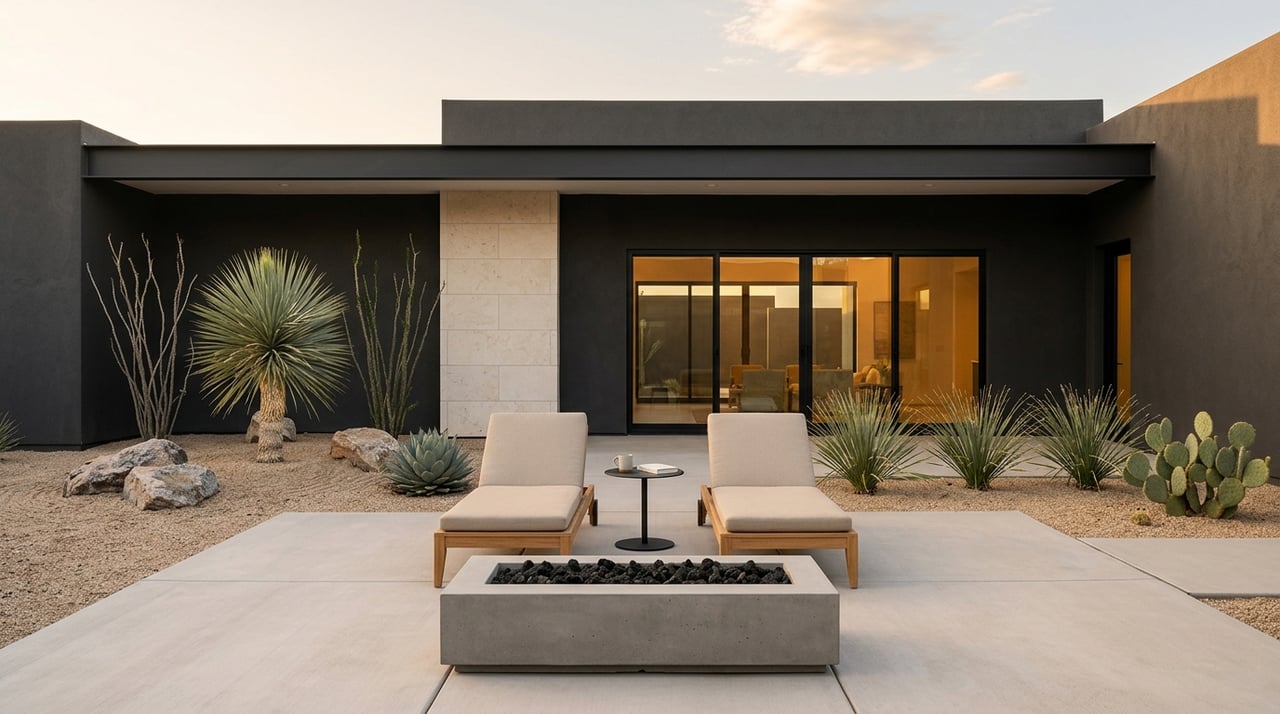
Looking for a place where your daily backdrop includes open desert, nearby trails, and a quieter suburban rhythm? Corona de Tucson stands out for buyers who want outdoor access to feel natural, not like a weekend-only plan. If you are exploring this part of Southern Arizona, it helps to understand how the area blends nature, space, and everyday convenience. Let’s dive in.
Why Corona de Tucson Appeals Outdoorsy Buyers
Corona de Tucson is a census-designated place in unincorporated Pima County, not an incorporated city. According to the U.S. Census Bureau, the community had 9,240 residents in 2020 across 6.70 square miles. That smaller-scale footprint helps explain why the area feels more residential and open than more built-up parts of metro Tucson.
The housing pattern also supports that outdoor-oriented feel. Census data show a 95.2% owner-occupied housing rate and a median value of owner-occupied homes of $352,500. In practical terms, you are looking at a community shaped more by neighborhood living and homeownership than by dense commercial activity.
Outdoor Access Is Part of Daily Life
One of the biggest lifestyle advantages in Corona de Tucson is how close you are to major outdoor spaces in the southeast Tucson and Vail recreation corridor. This is not just about scenic drives. It is about having real trail and open-space options nearby when you want a quick hike, a longer outing, or a day in the desert landscape.
For many buyers, that kind of access changes how a home feels day to day. You are not planning your whole week around getting outside. Instead, outdoor time can fit more easily into your routine.
Davidson Canyon and Arizona Trail Access
A key access point is the Gabe Zimmerman Davidson Canyon Trailhead in Vail. Pima County says this trailhead connects visitors to the Cienega Creek Natural Preserve, Davidson Canyon, and the Arizona Trail. The trailhead is open dawn to dusk.
Pima County also notes that preserve permits are free, and no permit is required if you are only using the Arizona Trail. That makes this area especially appealing if you value flexible, low-barrier access to hiking and desert exploration.
Cienega Creek Natural Preserve
Cienega Creek Natural Preserve is one of the most notable nearby natural areas. Pima County says the preserve spans more than 4,000 acres and includes about 12 miles of the Cienega Creek corridor. The preserve runs from Colossal Cave Road in Vail to Empirita Ranch in southeastern Pima County.
The county describes it as a desert riparian oasis, which sets it apart from the classic image many people have of dry desert terrain. It also serves as a wildlife movement corridor between larger protected landscapes. For you as a buyer, that means the broader area offers a meaningful sense of preserved open space, not just scattered vacant land.
Colossal Cave Mountain Park
Another major outdoor destination nearby is Colossal Cave Mountain Park. Pima County says the park covers 2,400 acres in the Rincon foothills and includes desert, grassland, dry cave, and riparian habitats. The Arizona National Scenic Trail also passes through the park.
That mix of landscapes adds variety to the outdoor experience in this part of Pima County. If you enjoy rotating between different trail settings and desert scenery, the nearby recreation options offer more range than you might expect from a suburban community.
Saguaro East Adds Another Layer
Saguaro National Park’s Rincon Mountain District, often called Saguaro East, is another important part of the outdoor picture. The National Park Service highlights the 8-mile Cactus Forest Drive on Tucson’s east side. This area gives you another way to enjoy the Sonoran Desert, whether you prefer a scenic route, sightseeing, or seasonal desert color.
The park service says the busiest season is generally November through March, while late winter and spring often bring wildflowers and cactus bloom. By July, monsoon season begins, and flash-flood awareness becomes more important. For anyone moving from out of state, that seasonal rhythm is useful to know upfront.
What Everyday Living Feels Like
Outdoor appeal is only part of the story. A neighborhood also needs practical support for everyday life, especially if you are balancing work, school schedules, errands, or a move from another area. Corona de Tucson offers a quieter home base, but it is not cut off from community infrastructure.
Pima County’s regional planning vision groups Corona de Tucson with Vail among the county’s unincorporated communities. That framing matters because it supports a lifestyle that feels connected to the broader southeast Tucson area while still maintaining a lower-density residential setting.
A Residential Community With Local Support
Several public services help anchor day-to-day living in and around Corona de Tucson. Pima County Public Library says the W. Anne Gibson-Esmond Station Library serves the greater Vail area, including Corona de Tucson. The Vail School District also has campuses in Corona de Tucson, including Sycamore Elementary and Corona Foothills Middle School.
Pima County also lists a Corona de Tucson Fire District. Together, those services point to a community that functions as a real residential home base, not simply a remote edge location.
Space for Work and Home Life
The area’s household data add another useful layer. Census figures show 2.98 persons per household, 29.7% of residents under age 18, 98.2% of households with a computer, and 93.0% with a broadband subscription. Those numbers suggest a community that supports modern home life, including remote work, online learning, and digital connectivity.
If you are trying to picture your routine here, think less about isolation and more about breathing room. You can have a suburban setup with access to technology and services while still being close to open desert landscapes.
Who Corona de Tucson May Fit Best
Corona de Tucson may be especially appealing if you want more space, a quieter setting, and easy access to outdoor recreation. Buyers who enjoy hiking, desert scenery, and a lower-density environment often appreciate how the area balances residential living with nearby public lands and trail systems.
It can also make sense if you are relocating and want a place that feels more relaxed than central Tucson without giving up core day-to-day needs. The combination of local schools, library service, fire district support, and regional connectivity helps create that middle ground.
Seasonal Tips for Outdoor-Focused Living
If outdoor access is one of your top priorities, it helps to understand the local seasonal pattern. In this part of the Sonoran Desert, winter and spring are often the prime times for hiking and exploring. Temperatures are generally more comfortable, and late winter into spring can bring wildflowers and cactus blooms.
Summer still offers desert beauty, but it comes with a different pace and more caution. The National Park Service notes that monsoon season begins by July, and flash-flood awareness becomes important. If you are imagining a year-round outdoor lifestyle here, the key is not whether you can enjoy the desert all year, but how you adjust with the seasons.
Real Estate Perspective on Lifestyle Value
When buyers search for homes in Corona de Tucson, they are often shopping for more than square footage. They are also buying into a lifestyle defined by space, scenery, and access to the southeast Tucson outdoor corridor. That can shape how you evaluate location, lot setting, commute patterns, and the overall feel of a neighborhood.
For sellers, this means lifestyle marketing matters. A home in Corona de Tucson is often strongest when it is presented in the context of the area’s residential calm, desert surroundings, and nearby recreation assets. Buyers moving from elsewhere may not know the area well, so clear local context can make a real difference.
If you are considering a move here, the most helpful next step is to look at homes through both a property lens and a lifestyle lens. Corona de Tucson offers a specific kind of Southern Arizona living, and the right guidance can help you decide whether it matches what you want most.
Whether you are buying, selling, or just starting to explore the area, The Tucson Agents can help you understand how Corona de Tucson fits into the broader Tucson market and what to watch for as you plan your next move.
FAQs
Is Corona de Tucson a city or an unincorporated community?
- Corona de Tucson is a census-designated place in unincorporated Pima County, not an incorporated city.
How close is outdoor recreation to Corona de Tucson?
- Corona de Tucson sits within the southeast Tucson and Vail recreation corridor, with nearby access to places like the Gabe Zimmerman Davidson Canyon Trailhead, Cienega Creek Natural Preserve, Colossal Cave Mountain Park, and Saguaro East.
What is Cienega Creek Natural Preserve near Corona de Tucson?
- Pima County says Cienega Creek Natural Preserve covers more than 4,000 acres and about 12 miles of creek corridor, offering a notable desert riparian landscape in southeastern Pima County.
Does Corona de Tucson feel too remote for daily life?
- Official county and public service sources show that Corona de Tucson has support from nearby library service, local school campuses, and a fire district, making it better described as quiet and low-density rather than isolated.
What time of year is best for outdoor living in Corona de Tucson?
- Winter and spring are often the most comfortable seasons for desert recreation, while summer monsoon season requires extra caution, especially around flash-flood conditions.