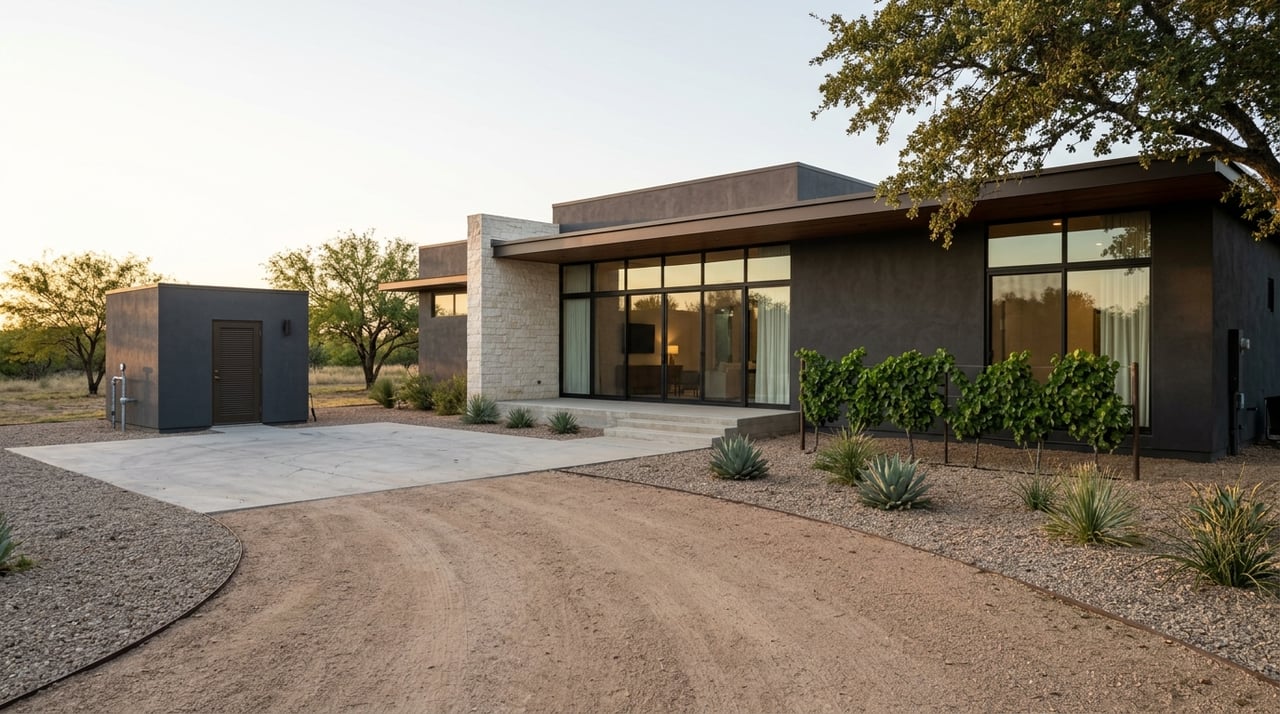
Dreaming about a home in Arizona wine country? Sonoita and Patagonia offer a very different buying experience than a typical Tucson-area suburb. If you want open views, rural character, and a slower pace, this corner of Southern Arizona can be a great fit, but it also calls for careful planning. This guide will help you understand what makes the area unique, what types of homes buyers usually consider, and which due-diligence steps matter most before you make an offer. Let’s dive in.
Why Sonoita and Patagonia Feel Different
Sonoita and Patagonia are best understood as a rural wine-and-ranch region, not a suburban extension of Tucson. The Sonoita American Viticultural Area was established in 1984 and covers about 319 square miles across parts of Cochise, Pima, and Santa Cruz counties. A large share of the land is not privately owned, which helps preserve the area’s open feel and wide horizons.
Location matters here because daily life is shaped by distance, scenery, and access. According to the Sky Islands visitor information for the area, Sonoita is about 50 miles south of Tucson, or roughly an hour by car, while Patagonia is about 12 miles southwest of Sonoita. That means you can enjoy rural living while still staying connected to Tucson, Sierra Vista, and Nogales for work, errands, or services.
Santa Cruz County describes Sonoita as a historic railroad crossroads and Patagonia as a scenic small town set between mountain ranges and creek corridors. The county also notes that views toward Mount Wrightson are a defining part of the landscape, which is one reason view lots and open-space homes are such an important part of the local market. In short, you are not just buying a house here. You are buying into a setting.
What Buyers Usually Find Here
The local housing conversation tends to center on land, views, and flexibility rather than master-planned amenities. Santa Cruz County planning documents emphasize low-density development, open space, protected viewsheds, and wildlife corridors in this part of the county. That rural framework shapes both the inventory you will see and the questions you should ask.
Acreage and ranch properties
Many buyers come here looking for room to spread out. Acreage properties may offer privacy, long sightlines, and space for agricultural or rural uses, but they also often require more investigation into water, access, fencing, and land-use limits. County land-use categories like Ranch-40 and Ranch signal just how different this market can be from a typical subdivision search.
Small-town homes
You will also find homes in and around the small-town cores of Sonoita and Patagonia. These properties often appeal to buyers who want a more connected small-town setting with local businesses, a quieter pace, and easy access to the surrounding landscape. The draw is not subdivision-style density or amenity packages. It is character, convenience within a rural setting, and a distinct sense of place.
View homes and foothill settings
Some homes sit on sloping terrain or foothill parcels where topography plays a major role in usability and enjoyment. Santa Cruz County’s planning guidance says that building sites, roads, and improvements should be guided by topography, and wildlife corridors should be protected. For buyers, that means the layout of the lot can affect drainage, access, future additions, and even how private the property feels over time.
Why Due Diligence Matters More Here
In Sonoita and Patagonia, the most important question is often not just whether a home is attractive. It is whether the property’s water, access, boundaries, and land-use conditions support the lifestyle you want long term. Rural purchases can be incredibly rewarding, but they usually involve more parcel-specific homework than an in-town purchase.
Start With Water
Water is one of the biggest due-diligence items in this market. Santa Cruz County states in its planning documents that water may be the most limiting factor for development in the area. That alone should tell you how important it is to verify water details early.
The county’s comprehensive plan says that residential subdivision development in the Santa Cruz Active Management Area must show a 100-year assured water supply, meaning water is physically, legally, and continuously available for 100 years. Outside the Active Management Area, Arizona Department of Water Resources water-adequacy review is required before the county can approve a plat. If you are buying land, splitting land, or evaluating future building potential, this is a key issue to understand.
If a property has a private well, you will want to review the well record carefully. The Arizona Department of Water Resources explains that exempt wells are generally those with a pumping capacity of 35 gallons per minute or less for household and private residential use. ADWR also states that ownership changes for the property where the well is located require a change of well information filing, and shared-well agreements are treated as civil matters between the parties involved.
Water quality is a separate issue from water rights or well registration. The Arizona Department of Environmental Quality guidance referenced by ADWR notes that private-well water quality is not regulated by ADEQ, and owners are encouraged to test periodically. For buyers, that means you should not assume a working well automatically answers every question.
Confirm Access and Road Maintenance
Road access can be straightforward, but it can also be one of the most overlooked parts of a rural purchase. The Arizona Department of Real Estate’s buyer checklist for home or land purchases advises buyers to verify permanent legal access before signing. That step is especially important in this area, where access may involve county roads, scenic highways, or private easements.
Santa Cruz County’s Road Maintenance Division information states that the county maintains the county road system, but not roads and streets within the Town of Patagonia or state and federal highways. In practice, that means you should confirm not only how you reach the property, but also who is responsible for maintaining that route. A beautiful road in dry weather can become a more serious consideration during seasonal conditions or for regular commuting.
Check Fences, Boundaries, and Easements
In ranch country, fences are common, but they should not be treated as proof of a legal boundary. Existing fencing may reflect past use, livestock needs, or convenience rather than the exact deed line. That is why it is smart to compare fence lines, gates, surveys, and title records before closing.
This matters even more in a region where county planning emphasizes ranch heritage, open space, and wildlife corridor protection. If you are buying acreage, the position of a gate, the path of a driveway, or the location of a fence may affect how you use the property day to day. Assumptions can get expensive, so verification matters.
Understand Zoning and Future Use
If you are buying raw land or a home with extra acreage, your due diligence should also include zoning, CC&Rs if applicable, utility responsibilities, and nearby vacant land. The Arizona Department of Real Estate checklist specifically recommends reviewing the property in person and checking county zoning maps if nearby land could change in the future. That advice is especially useful in a rural market where neighboring parcels may remain open for years or be used very differently from what you expect.
A property may look ideal today, but future use potential can affect privacy, noise, access, and overall enjoyment. The goal is not to avoid rural property. It is to understand exactly what you are buying.
Lifestyle Perks That Draw Buyers Here
The lifestyle appeal of this area is real. Sonoita is closely tied to Arizona’s wine country identity, and the Arizona Trail gateway for Sonoita highlights the Sonoita Wine Trail and the region’s vineyard landscape. If you want a home base near tasting rooms, scenic drives, and wide-open country, this area stands apart from most Southern Arizona markets.
Outdoor access is another major reason buyers look here. The Patagonia-Sonoita Creek Preserve offers hiking, walking, wildlife watching, and birding, while nearby state park and natural area resources add trail options and creek-side scenery. For many buyers, the value of a property is tied as much to what surrounds it as to the structure itself.
At the same time, daily services are more limited than in Tucson. The Arizona Trail gateway notes basics like a post office, community library, grocery options, restaurants, lodging, and feed-and-tack in Sonoita, while urgent care options are generally in Sierra Vista or Green Valley. That balance is part of the appeal for many buyers, but it is worth considering honestly before you commit.
Who This Market Fits Best
Sonoita and Patagonia often work best for buyers who want:
- More land and lower-density surroundings
- Mountain views and open skies
- Access to trails, birding, and outdoor recreation
- A rural or small-town pace
- A home that feels connected to wine country and ranch country
This market may require a different mindset than buying in a suburban neighborhood. If you value self-sufficiency, scenery, and space, the tradeoff can be well worth it. If you prefer quick access to a wide range of retail, medical services, and suburban infrastructure, you will want to weigh that carefully.
A Smart Way to Buy in Wine Country
The best home purchases in Sonoita and Patagonia usually come from balancing emotion with diligence. It is easy to fall in love with a mountain view, a quiet road, or a house near vineyards and trails. The smarter move is to pair that excitement with a close review of water, wells, legal access, road maintenance, boundaries, and land use.
When you take that approach, you can buy with more confidence and fewer surprises. If you are considering a home or land purchase in this part of Southern Arizona, The Tucson Agents can help you navigate the details and make a more informed decision.
FAQs
What makes Sonoita and Patagonia different from Tucson-area suburbs?
- Sonoita and Patagonia are primarily rural wine-and-ranch communities with low-density development, open space, and small-town character rather than suburban-style neighborhoods.
What should buyers verify before buying land in Sonoita or Patagonia?
- Buyers should verify the water source, legal access, zoning, CC&Rs, and utility or sewage responsibilities before signing, based on Arizona’s buyer guidance.
What should buyers know about private wells in Sonoita and Patagonia?
- Buyers should confirm the well record, ownership details, water quality testing, and any shared-well terms because a private well is not something you should assume will be simple.
Are roads in the Sonoita and Patagonia area always county maintained?
- No. Access may involve county roads, town streets, state highways, federal routes, or private easements, so maintenance responsibility should be confirmed for the specific property.
What type of homebuyer is a good fit for Sonoita or Patagonia?
- This area often fits buyers who want acreage, scenic views, outdoor recreation, and a slower pace, and who are comfortable with the added due diligence that comes with rural property.
Is Patagonia close enough to Tucson for regular trips?
- Yes. Regional visitor information says the area is about an hour from Tucson by car, which makes regular trips possible while still offering a distinctly rural setting.